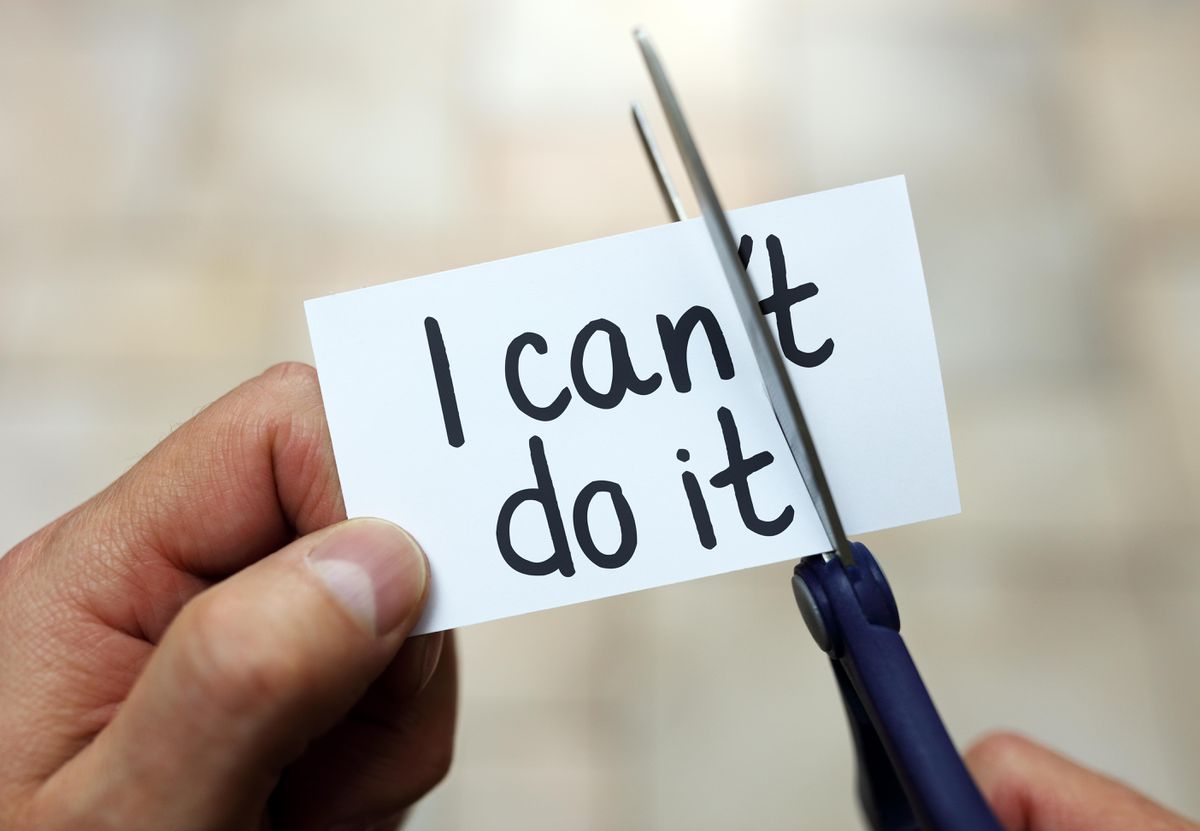
Confidence Isn’t Something You Have. It’s Something You Build.
Ask people what separates a confident speaker from a nervous one, and most will say it’s personality. Some people are born at ease in front of a crowd, the thinking goes, and the rest of us just have to endure it.
It’s a comforting story, because it lets us off the hook. It’s also wrong. Confidence in public speaking is far less about temperament than about habits, and habits can be learned.
Confidence follows action, not the other way round
We tend to wait until we feel ready before we put ourselves forward. But the feeling almost never arrives first. It shows up after you’ve done the thing, survived it, and realised it wasn’t as bad as you’d predicted.
Every time you speak, even badly, you collect evidence that you can cope. Small wins stack up. The first sentence gets easier, then the first minute, and eventually the whole speech. Confidence is the by-product of repetition, not a prerequisite for it.
Four ways to look and feel more confident
Slow down. Nerves speed everything up: your pace, your breathing, your heart rate. Deliberately slowing your delivery signals authority to the audience and calms your own body at the same time.
Own your opening. The first ten seconds set the tone. Know exactly how you’ll begin, and say it with intent. A strong start gives you momentum for everything that follows.
Use your body. Plant your feet, relax your shoulders and keep your hands visible. Posture isn’t just how you look. It changes how you breathe, which changes how your voice sounds and how you feel.
Reframe the adrenaline. The racing heart and flutter in the stomach that come before a talk are the same physical signals as excitement. Telling yourself “I’m fired up” rather than “I’m terrified” is a surprisingly effective shift, because your body is already primed to perform.
Confidence needs a safe place to wobble
Here’s the catch: you can’t build confidence by reading about it. You need to try things, get them slightly wrong, and learn that nothing terrible happens. That’s hard to do in a high-stakes meeting or at a wedding, where the pressure is real and the audience hasn’t signed up to help you improve.
A supportive speaking environment gives you permission to experiment. You can try a bolder opening, a longer pause or a funnier story, and then hear honest, constructive feedback from people who want you to get better. Over a few sessions, the nerves lose some of their grip, and you start to see yourself as someone who speaks well.
Come and try it on Monday
Tomorrow’s session at the Wimbledon Speakers Club is all about confidence. Whether you’re a seasoned speaker who wants to command a room more naturally, or someone who hasn’t spoken to a group since school, you’ll leave with practical techniques to try straight away.
We meet at Wimbledon Library from 6:45pm to 8:45pm, and your first session is free. You’re welcome to come along and watch, or to have a go yourself.
Confidence doesn’t arrive by waiting. Come and start building it with us.